It's generally approved that it takes 10 days to 4 weeks to take advantage of a run. The moment will certainly rely on the type of run, quicker as well as extra intense runs getting on the reduced end of the array with long stable runs being on the various other higher end of the range. Usually, shortness of breath is the outcome of the intensity associated with the initiative of running. Basically, your body is trying hard to fulfill the enhanced needs of running. The primary factor this takes place is because of the accumulation of co2 in the body.
Although the exact cause of side stitches is still unsure, we do recognize that it happens when the diaphragm muscle mass starts cramping. Taking into consideration just how the diaphragm muscular tissue http://gunnerpngo232.westbluestudio.com/exactly-how-to-start-operating plays a substantial role in our breathing, it stands to factor that inappropriate breathing might a likely root cause of side stitches.
How do you breathe when running?
As a form of cardio exercise that's easily accessible, running is one of the most straightforward ways to get the important benefits of exercise. Since it improves aerobic fitness, running is a great way to help improve cardiovascular health. Plus, it burns calories and can build strength, among other things.
Begin with brief running intervals
What is the proper way to breathe when running?
The Good News: Eggs are one of nature's best food sources, packaging muscle-protecting protein in a low-calorie food. The B12 in eggs also aids in muscle contraction—a must for runners. One large egg boasts about 30 percent of your recommended dietary allowance of choline.
Since it can lead to cramping or annoying side stitches, you don't want to eat instantly prior to running. Yet running on a vacant tummy might trigger you to lack power and leave you feeling extremely fatigued during your runs.
The result for numerous brand-new runners, surprisingly, is weight gain instead of fat burning. The shorter workout will still obtain you fit, melt some calories and help you prepare yourself for race day-- however it will not leave you depriving for more food.
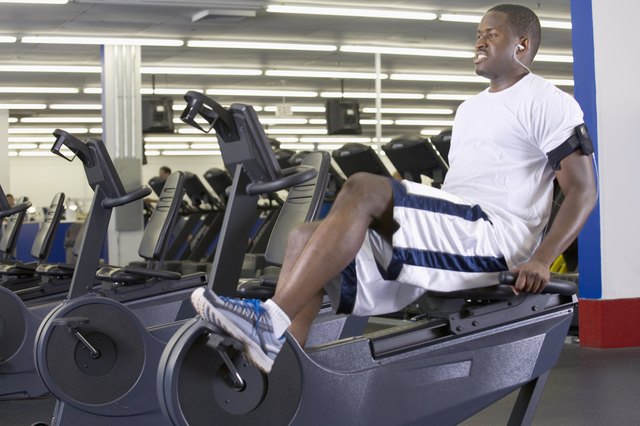
- They must not be an all-out initiative that has you wheezing for breath, but a difficult pace that you feel you can keep over the period of the run.
- However, the size of your workout should be the guide wherefore you consume, says Dr. Jordan Metzl, a marathoner and sporting activities medicine physician at the Medical facility for Unique Surgical Treatment in New York.
- If you have actually had issues with intestinal distress (likewise known as jogger's trots) throughout or after your runs, the foods you're eating in the 1 day prior to your runs may be the wrongdoer.
- You can first develop the amount of time you spend doing endurance tasks, then accumulate the difficulty of your activities.
- The shorter workout will certainly still get you fit, shed some calories and aid you get ready for race day-- but it will not leave you depriving for more food.
How to Breath While Running
How can I increase my lung capacity for running?
One should hold a stretch for a minimum of 15 seconds to a maximum of 20 or 30 seconds. This ensures that the muscle fibers Click for source that are being stretched are stretched adequately. 30 seconds, less than 20 won't make a difference. You don't want to hold for too long either and risk injury.
As carbon dioxide levels build up in the body from exercise, it triggers us to breathe a lot more swiftly through our respiratory system. As even more oxygen is consumed, carbon dioxide degrees are reduced, and also when the body achieves a typical level of co2, breathing rates go back to regular. Initially, allow's talk about the reason you Click to find out more may be getting out of breath.

See to it to keep your equipment with a protected running belt on your following run. Actually, many runners might benefit from finding out a few breathing methods. Understanding how to improve your breathing while running will certainly not only increase your performance, yet additionally decrease common injuries that frequently afflict joggers. The objective of this is to make best use of the stores of glycogen in the muscles throughout a race, which can enhance endurance as well as protect against fatigue.
What exercises help with running?
A noncompetitive, relatively in-shape runner usually completes one mile in about 9 to 10 minutes, on average. If you're new to running, you might run one mile in closer to 12 to 15 minutes as you build up endurance. Elite marathon runners average a mile in around 4 to 5 minutes.